


Construction machinery operates in some of the most demanding working environments in the world. Excavators digging through abrasive soil, loaders working under continuous shock loads, and hydraulic breakers exposed to extreme vibration all rely on one critical yet often overlooked component—sealing systems. These seals are essential for maintaining hydraulic pressure, preventing fluid leakage, and keeping contaminants out of sensitive mechanical systems. Over the past few decades, advances in sealing technology have dramatically improved the reliability, efficiency, and lifespan of construction equipment.
The Fundamental Role of Seals in Heavy Equipment
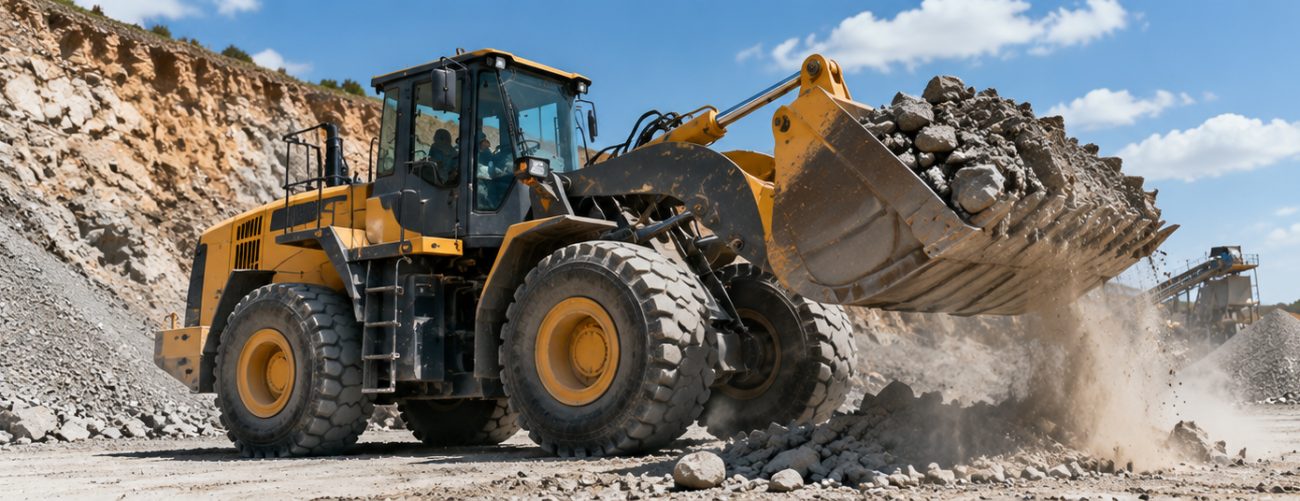
In construction machinery, sealing systems are primarily used in hydraulic cylinders, pumps, valves, and transmission assemblies. Their job is simple in concept but extremely complex in execution: maintain a perfect barrier between moving components while enduring pressure, friction, and environmental exposure.
When seals fail, the consequences are immediate. Hydraulic oil leakage leads to pressure loss and reduced lifting or digging force. At the same time, external contaminants such as dust, sand, and water can enter the system, causing abrasive wear and corrosion. This combination not only reduces performance but also significantly increases maintenance costs and downtime.
Because of this, sealing systems are directly tied to machine productivity and operational safety.
Material Innovation: The Foundation of Modern Sealing Systems
One of the most significant improvements in sealing technology has been the development of advanced materials. Traditional rubber materials such as nitrile rubber (NBR) are still widely used, but modern construction equipment increasingly depends on higher-performance compounds.
Today’s seals are often made from:
- Polyurethane (PU) for high wear resistance
- PTFE (Teflon-based materials) for ultra-low friction
- FKM (fluoroelastomers) for high temperature and chemical resistance
- Composite materials designed for multi-condition performance
These materials allow seals to perform reliably under extreme hydraulic pressure, high-speed movement, and wide temperature fluctuations. For example, polyurethane seals are commonly used in hydraulic cylinders because they can withstand repeated mechanical stress without deformation, while PTFE-based seals reduce friction and improve energy efficiency.
The result is longer service life and fewer replacements, which directly reduces machine downtime.
Structural Design Improvements in Modern Seals
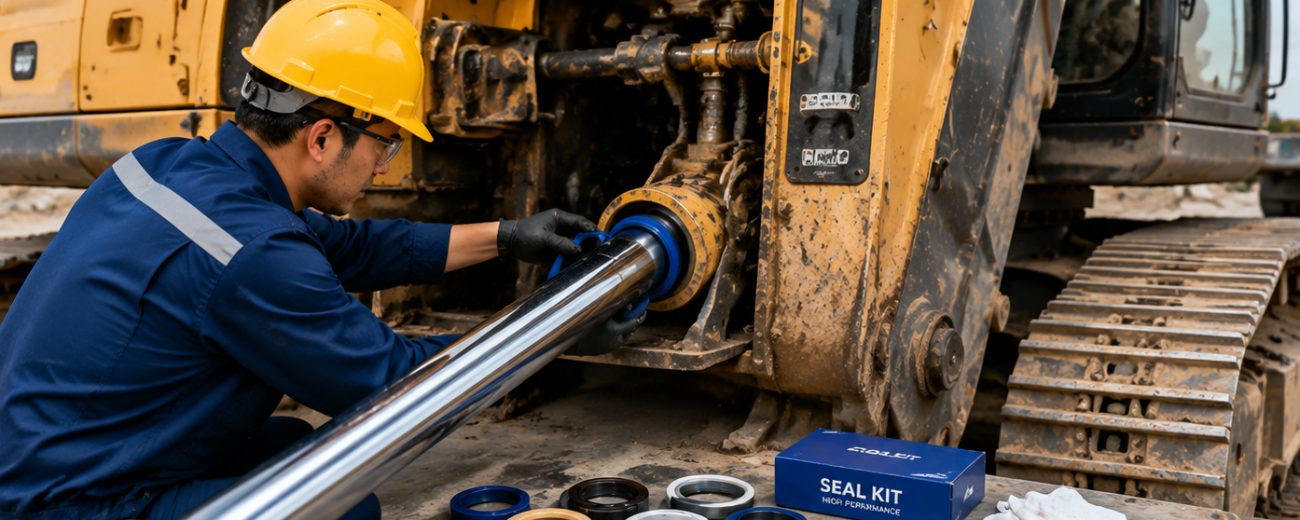
Beyond materials, seal geometry has evolved significantly. Modern sealing systems are no longer simple rings; they are precision-engineered components designed to optimize pressure distribution and minimize wear.
Key design advancements include:
- Multi-lip sealing structures that improve fluid retention and reduce leakage risk
- Back-up rings that prevent extrusion under high pressure
- Buffer seals that absorb pressure spikes in hydraulic systems
- Low-friction lip profiles that reduce heat generation during motion
These structural improvements help maintain stable sealing performance even under fluctuating loads and high-frequency hydraulic cycles. In heavy machinery, where pressure spikes are common, such design enhancements play a crucial role in extending component lifespan.
Surface Technology and Lubrication Optimization
Even the best seal cannot function effectively without proper interaction with the mating surface. Advances in surface engineering have therefore become an essential part of sealing system performance.
Modern hydraulic rods and cylinders are manufactured with extremely fine surface finishes, reducing friction and wear. In some cases, controlled micro-texturing is applied to improve lubricant retention, ensuring a stable lubricating film between the seal and the metal surface.
This reduction in friction has several benefits:
- Lower heat generation
- Reduced seal wear
- Improved energy efficiency
- Smoother hydraulic movement
Together, these improvements contribute to more efficient machine operation and longer maintenance intervals.
Real-World Impact on Equipment Performance
The cumulative effect of these innovations is substantial. Improved sealing systems directly influence nearly every aspect of machine performance:
- Increased hydraulic efficiency and responsiveness
- Reduced oil leakage and fluid consumption
- Lower energy losses due to friction reduction
- Extended service intervals and reduced maintenance costs
- Improved reliability in harsh environments
- Longer overall machine lifespan
In modern construction machinery, sealing systems are no longer just passive components. They are active contributors to system efficiency, ensuring that hydraulic energy is delivered precisely and consistently.
The Role of Specialized Sealing Manufacturers
As machinery becomes more advanced, sealing technology has also become more specialized. Manufacturers now design seals tailored for specific operating conditions such as high-pressure hydraulic systems, heavy-duty mining equipment, or high-speed industrial machinery.
Companies such as FA Seals play an important role in this development by providing engineered sealing solutions designed for durability and precision performance in demanding applications.
More technical information about sealing systems and product solutions can be found on our official website:
FA Seals
Conclusion
Advances in sealing technology have fundamentally transformed the performance and reliability of construction machinery. Through innovations in materials, structural design, surface engineering, and contamination control, modern seals are capable of withstanding extreme working conditions while delivering higher efficiency and longer service life.
As construction equipment continues to evolve toward greater power density and efficiency, sealing systems will remain one of the most critical components supporting durability and operational performance. In many ways, the future of heavy machinery reliability depends not only on engines and hydraulics—but also on the precision and resilience of the seals that keep everything running smoothly.
FASeals will continue to move forward with you in the future.
Related posts

Volvo EC210 Hydraulic Cylinder Seal Kit: 7 Essential Tips
The Volvo EC210 series is a medium-sized crawler excavator widely used in earthmoving, road construction, foundation excavation, and bu...

Komatsu PC2000-8 Repair Kits: A Complete Guide for Backhoe and Loading Shovel Excavators
The Komatsu PC2000-8 is a large mining hydraulic excavator widely used in open-pit mines, quarries, large-scale earthmoving projects, a...

Furukawa Breaker Diaphragm: Structure, Function, Selection and Maintenance Guide
The Furukawa breaker diaphragm is installed inside the accumulator chamber. Its main function is to separate hydraulic oil from nitroge...