


Oil seals are critical components in mechanical and hydraulic systems, designed to retain lubricants or hydraulic fluids and keep contaminants such as dust, dirt, and moisture out. Despite their small size, they play a crucial role in ensuring equipment reliability and longevity. When an oil seal begins to fail, the consequences can range from minor leaks to significant machine downtime or costly repairs. Recognizing the early signs of oil seal leakage and implementing appropriate responses is essential for equipment operators, maintenance teams, and fleet managers.
Common Signs of Oil Seal Leaks
1. Visible Oil Around the Seal
The most obvious sign of oil seal failure is the presence of oil outside its intended sealing area. Leaks can often be spotted around shafts, bearings, housings, or flanges. These leaks may appear as small drips, streaks, or even a pooling of oil under the equipment. Over time, the leaked oil can attract dirt and debris, forming a gritty paste that can exacerbate wear and cause secondary damage.
2. Abnormal Fluid Consumption
A sudden increase in hydraulic or lubricating fluid usage is another indicator of a potential seal problem. For hydraulic systems, reduced fluid levels can directly affect cylinder performance, lift capacity, and operational efficiency. If fluid consumption rises without an apparent cause, inspecting the seals should be one of the first steps.
3. Unusual Noise or Elevated Temperature
Seals prevent friction between moving parts by retaining lubricants. When a seal leaks or fails, inadequate lubrication can occur, leading to increased friction, unusual sounds (such as grinding, squealing, or knocking), and elevated operating temperatures. Bearings, gearboxes, and hydraulic cylinder rods may all show signs of overheating if the seals are compromised.
4. Reduced Equipment Performance
Equipment performance may decline gradually when oil seals leak. For hydraulic machinery, cylinders may move slower, lift less weight, or drift under load. Rotating equipment may operate less smoothly. In these situations, the underlying cause often traces back to oil seal deterioration, internal leakage, or contamination ingress.
Causes of Oil Seal Leaks
Several factors can contribute to oil seal failure. Understanding these causes helps in selecting the correct seal and implementing preventive maintenance strategies:
Aging and Material Degradation: Over time, seals made from rubber, polyurethane, or synthetic compounds can harden, crack, or lose elasticity due to heat, pressure, or chemical exposure.
Improper Installation: Incorrect orientation, misalignment, or improper seating of the seal can compromise its effectiveness. Using the wrong tools or forcing the seal can cause immediate or premature failure.
Damaged Shaft or Bearing Surfaces: Scratches, corrosion, or burrs on shafts or housings can damage the seal lip and create pathways for leaks.
Harsh Operating Conditions: Excessive heat, vibration, dust, abrasive particles, or chemical exposure accelerates wear and can lead to leaks.
Poor Lubrication: Insufficient, contaminated, or degraded lubricant increases friction and stresses on the seal material, shortening its service life.
How to Respond to Oil Seal Leaks
Effective responses involve inspection, maintenance, and replacement strategies to restore system integrity.
1. Replace the Oil Seal
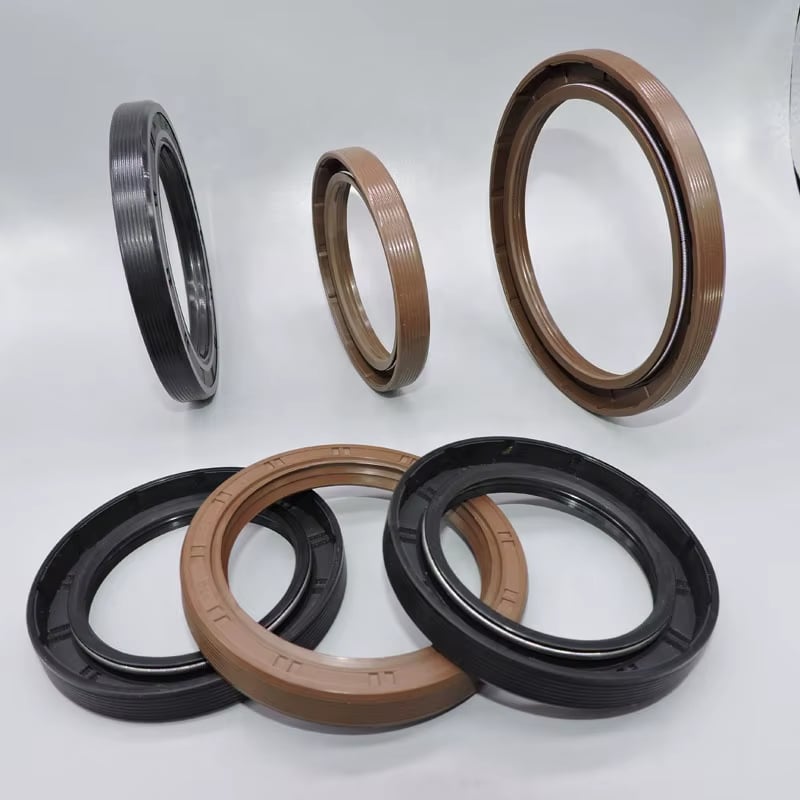
Replacing the worn or damaged seal is the most straightforward solution. Selecting the correct size, type, and material according to the manufacturer’s specifications is crucial. High-quality seals, such as FASeals oil seals, offer better wear resistance and longer service life.
2. Inspect Shaft and Housing Surfaces
Before installing a new seal, thoroughly inspect the shaft and housing for scratches, corrosion, or uneven surfaces. Even minor imperfections can compromise sealing. Polishing or machining the surface may be required to achieve a smooth contact point for the new seal.
3. Proper Installation
Seals must be installed correctly—ensuring proper orientation, alignment, and seating. Using dedicated seal installation tools reduces the risk of twisting or tearing the seal. Careful lubrication of the seal lip with compatible oil during installation can also prevent damage.
4. Maintain Lubrication and Cleanliness
Regular monitoring of fluid levels and quality is vital. Ensure that lubricants or hydraulic fluids are clean, appropriately rated, and free of debris. Keeping the surrounding area clean prevents dirt from contaminating the seal during operation or installation.
5. Implement Regular Inspection Schedules
Preventive maintenance programs should include regular inspection of critical seals, especially in high-use hydraulic systems or industrial machinery. Early detection of leaks reduces unplanned downtime and extends component life. For hydraulic systems, consider FASeals hydraulic cylinder components & seals for comprehensive maintenance and replacement solutions.
Tips for Prolonging Seal Life:
Document Maintenance: Keep records of seal replacements, fluid changes, and inspections to predict future maintenance needs accurately.
Use High-Quality Seals: Premium seals resist wear, temperature fluctuations, and chemical attack better than standard options.
Avoid Contamination: Shield seals from dirt, metal chips, and other contaminants during operation and maintenance.
Monitor Operating Conditions: Avoid excessive heat, overpressure, and extreme cycling that can accelerate wear.
Schedule Preventive Replacements: Even if a seal is not yet leaking, periodic replacement according to the equipment schedule can prevent catastrophic failure.
Conclusion
Oil seals are small components with a significant impact on the performance and reliability of machinery and hydraulic systems. Recognizing the signs of leakage—such as visible oil, increased fluid consumption, unusual noise, or reduced performance—and taking appropriate corrective action is crucial to avoid downtime, costly repairs, and potential safety hazards.
High-quality seals and complete sealing solutions, such as those provided by FASeals, offer enhanced durability and reliability. Implementing a proper maintenance strategy, using the right seal material, and maintaining clean operating conditions will ensure optimal performance and extended equipment life. For additional resources, explore the FASeals Oil Seal and Hydraulic Cylinder Components & Seals pages.
Related posts


Volvo EC210 Hydraulic Cylinder Seal Kit: 7 Essential Tips
The Volvo EC210 series is a medium-sized crawler excavator widely used in earthmoving, road construction, foundation excavation, and bu...

Komatsu PC2000-8 Repair Kits: A Complete Guide for Backhoe and Loading Shovel Excavators
The Komatsu PC2000-8 is a large mining hydraulic excavator widely used in open-pit mines, quarries, large-scale earthmoving projects, a...

Furukawa Breaker Diaphragm: Structure, Function, Selection and Maintenance Guide
The Furukawa breaker diaphragm is installed inside the accumulator chamber. Its main function is to separate hydraulic oil from nitroge...